Whole-House and Drinking Water Filtration

Water Filtration Installation in Nampa, ID

Water filtration installation in Nampa, Idaho starts with a simple question: what do you want to remove, and from which taps? A whole-house filter treats every fixture for taste, odor and sediment. An under-sink reverse osmosis system treats drinking and cooking water to a much finer level. Many homes use one of each.

We test before recommending anything, install systems certified to the relevant NSF/ANSI standards, and explain the maintenance each one needs. We do not make health claims. Questions about health effects belong with your doctor or the health district.
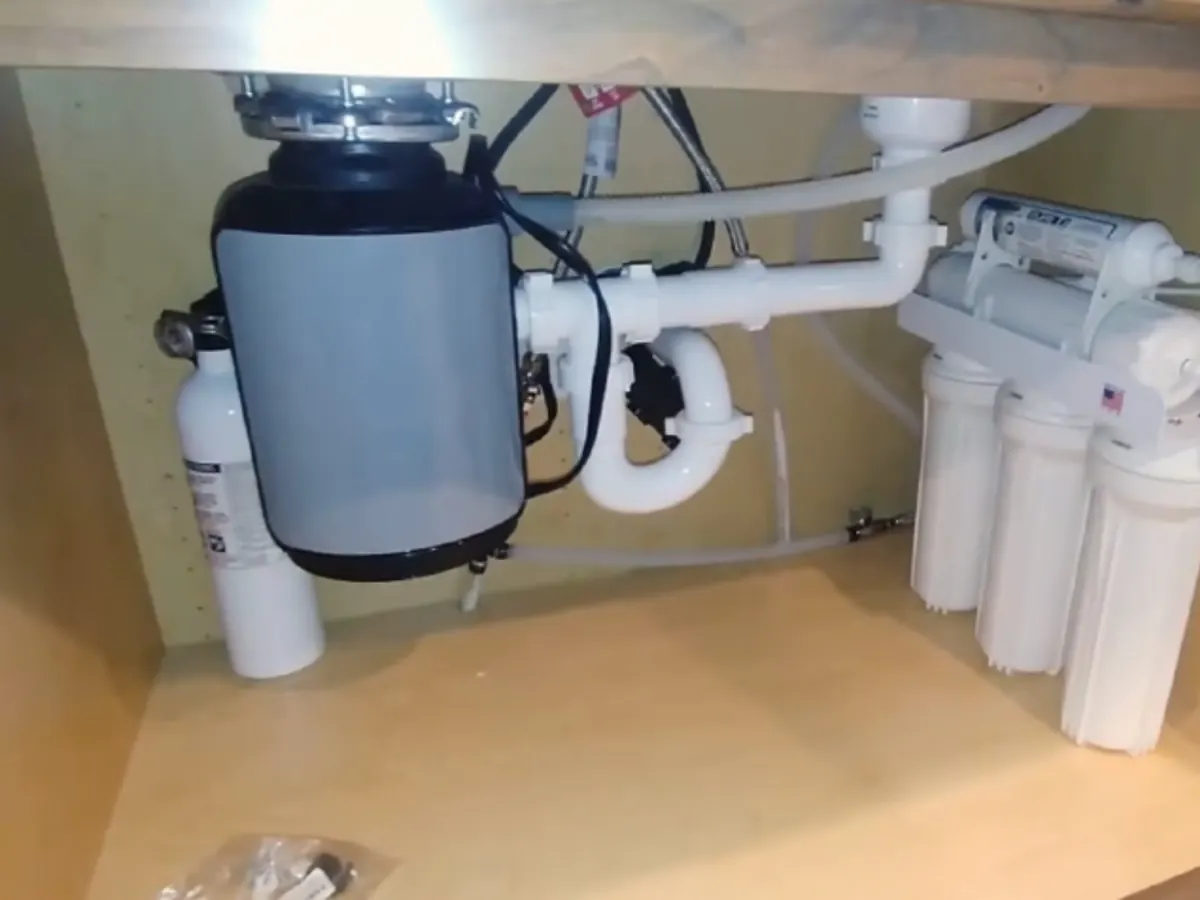
Under-sink reverse osmosis filter system beside a garbage disposal
Test first
The right filter depends on what is actually in your water
Whole-houseTaste, odor, sediment
Reverse osmosisDrinking and cooking water
Private wellsOwner-tested, often different
Sound Familiar?

Chlorine Taste, Cloudy Water or Questions About What Is in the Tap

People call about filtration for different reasons. The water tastes of chlorine. Ice cubes come out cloudy. A new baby has parents reading the city's water report closely. Or a rural well has never been tested at all.

Nampa's drinking water comes from city wells drawing on the Snake River Plain aquifer. The city's annual reports state that the water meets EPA and state standards, and they also note that it contains low levels of naturally occurring arsenic. The same reports advise that nitrate above 10 parts per million is a risk for infants under six months, and that lead, if present, typically comes from service lines and home plumbing rather than the source water.

What that means in practice: read your latest city report, decide what you want to reduce, then choose a filter certified to reduce that specific thing. Filters are not interchangeable.

Choosing a System

Filter Types and What They Handle

Certification to an NSF/ANSI standard is the proof that a filter reduces what its label claims. Check the certification for the specific contaminant, not just the brand.

SystemTypically reducesTreatsRelevant standard
Whole-house carbonChlorine taste and odor, some chemicalsEvery tapNSF/ANSI 42 or 53
Whole-house sedimentSand, grit, rust particlesEvery tapManufacturer rating
Under-sink carbon blockTaste, odor, some certified contaminantsOne faucetNSF/ANSI 42 or 53
Reverse osmosisDissolved solids, and certified models reduce arsenic and nitrateOne faucet, often the fridgeNSF/ANSI 58
Water softenerHardness only, not a health filterEvery tapSee softener page

A water softener and a filter do different jobs. Softening handles scale. Filtration handles taste, odor and specific contaminants.

Filter Housing Leaking?

Close the valves on either side of the housing or use the bypass, then call.

☎ Call (208) 679-8357
Private Wells

Well Water Is a Different Starting Point

The city's water report covers only the city system. Homes on private wells, which are common on acreage outside Nampa city limits, are responsible for testing their own water, and results can differ a lot from city water.

Wells in farm country can carry nitrate, iron, hardness well above city levels, and sometimes bacteria. A lab test tells you what you are dealing with, and treatment is chosen from the results. Rural properties south of town, including around rural Melba, are where we see the widest range of well water.

A well test before installing any system avoids paying for treatment you do not need, or missing one you do.

City water: read the annual water quality report.
Private well: owner tests, results vary widely.
Treatment chosen from test results, not guesses.
Maintenance

What to Do to Keep a Filter Working

  • Change cartridges on schedule. A spent carbon filter stops doing its job and can shed what it collected. Put the dates on a calendar.
  • Replace RO membranes as rated. Most reverse osmosis systems need a membrane change every few years and pre-filters more often.
  • Protect RO membranes from hard water. On harder Nampa wells, softening ahead of an RO unit extends membrane life.
  • Sanitize after long absences. A system that sat unused for weeks should be flushed before drinking from it.
  • Keep the bypass reachable. A whole-house filter should have a bypass valve so water keeps flowing during service.
Pricing

What Filtration Installation Costs Depends On

Point-of-use systems at one sink are a small job. Whole-house systems need space on the main line and a bypass, which adds work.

Filtration equipment is not covered by homeowner insurance. It is a planned purchase, and cartridge costs belong in the budget.

Want your real number? Call (208) 679-8357 and tell us whether you are on city water or a well.

System typePoint-of-use vs. whole-house
CertificationMatched to your target contaminants
LocationUnder sink vs. garage main line
ExtrasFridge line, drain for RO
UpkeepCartridge and membrane schedule
Questions

Water Filtration Questions

The City of Nampa reports that its water meets EPA and state drinking water standards. Filtration is a choice to reduce specific things further, not a sign the water fails standards. For health questions, ask your doctor or the health district.

Standard carbon filters generally do not. Reverse osmosis systems certified to NSF/ANSI 58 for arsenic reduction are the usual point-of-use choice. Check the certification for the specific form of arsenic claimed.

Yes, RO sends some water to the drain as it produces treated water. Newer designs waste less. For drinking and cooking volumes at one tap, the added use is modest.

Filters certified for lead reduction can help, and the city also advises running the tap for 30 seconds to 2 minutes after water has sat for hours. Replacing old lead-bearing components is the permanent fix, which a whole-house repipe handles.

Only if you want both jobs done. Softening stops scale, and filtration reduces taste, odor or specific contaminants. On harder water, a softener ahead of an RO unit protects the membrane.

Filter What You Actually Want Out

Tested, certified water filtration for homes across Nampa, Idaho.

☎ Call (208) 679-8357
Coverage Area

Plumbing Service Across Nampa and Canyon County

☎ Call 24/7: (208) 679-8357
☎