Water Softeners

Water Softener Installation & Repair in Nampa, ID

A water softener removes the calcium and magnesium that cause scale, using resin beads that trade those minerals for sodium or potassium. Whether a Nampa, Idaho home needs one depends on which city well serves it, because the city reports hardness from none up to about 7 grains per gallon.

We test your water first, size the unit to your actual hardness and household use, install it with a bypass valve and a proper drain, and repair existing softeners that have stopped regenerating.
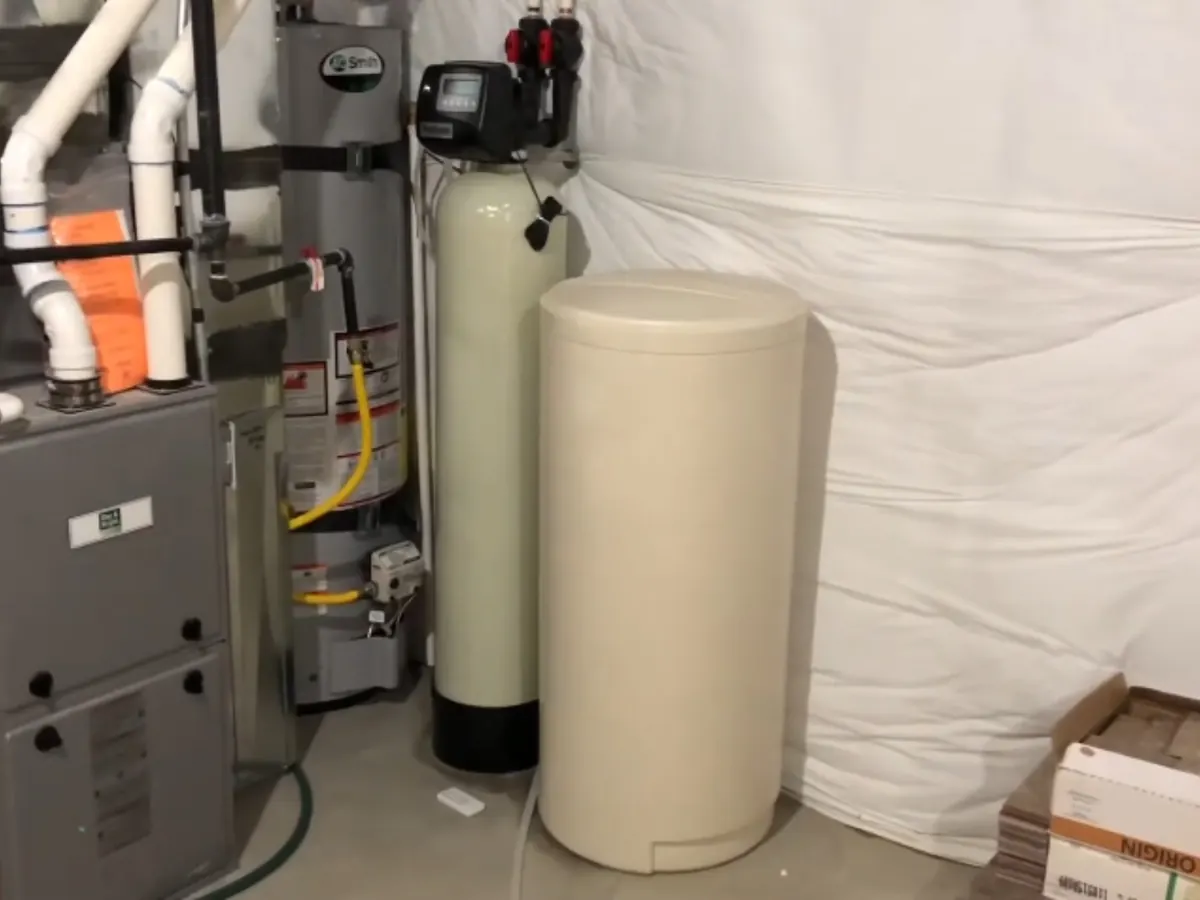
Water softener and brine tank installed beside a water heater and furnace
0 to 7 gpg
Hardness range reported by the City of Nampa, depending on the well
Water testBefore any quote
SizingHardness and household use
RepairValve, resin, brine tank
Do You Need One?

What Your Hardness Reading Means

The Water Quality Association classifies water hardness on a simple scale. Here is how it translates into a decision for a Nampa home.

Hardness (grains per gallon)ClassificationWhat to expect
0 to 3.5SoftA softener adds little. Skip it unless on a well.
3.5 to 7Moderately hardVisible scale on fixtures, shorter water heater life. A softener pays off over time.
7 to 10.5HardHeavy scale, spotty dishes, softener recommended
Over 10.5Very hardCommon on some private wells. Softener plus possible iron treatment.

Most of Nampa's city water falls in the first two rows, which is why testing your own tap matters more than a general answer. Homes on private wells outside city limits can test much higher and often carry iron as well.

Softener or Conditioner

Salt-Based Softeners Versus Salt-Free Conditioners

A salt-based softener actually removes hardness minerals. It needs salt, a drain for the regeneration cycle and electricity for the control valve, and it is the only type that makes water measurably soft.

A salt-free conditioner changes how minerals behave so they are less likely to stick as scale, but it does not remove them. Water still tests hard. It needs no salt or drain, which suits some homes, but be wary of anyone selling it as a softener.

For appliance protection, a real softener does the most for a tank or tankless water heater, whose heat exchangers suffer first from scale.

Removes hardnessSoftener: yes, Conditioner: no
Needs saltSoftener: yes, Conditioner: no
Needs a drainSoftener: yes, Conditioner: no
Water tests softSoftener: yes, Conditioner: no

Softener Leaking or Flooding the Laundry Room?

Put the unit in bypass or close its inlet valve, then call for help.

☎ Call (208) 679-8357
Installation

What a Correct Softener Install Includes

The softener goes on the main line after the point where outdoor hose bibs branch off, so you are not softening water for the lawn. In Nampa homes on pressurized irrigation, that issue is smaller, but hose bibs still usually stay on hard water.

A bypass valve lets you shut the softener out of the system for service. The regeneration drain line needs an air gap so waste water can never be siphoned back into the supply, a requirement under the Uniform Plumbing Code (UPC). Many owners also keep one cold tap at the kitchen sink on unsoftened water for drinking and cooking.

Sizing matters more than brand. A unit too small regenerates constantly and wastes salt. A unit too large can sit so long between cycles that the resin performs poorly. We size by your measured hardness, the number of people in the house and daily water use.

Troubleshooting

What to Check Before You Call About a Softener

  • Salt level. The brine tank should have salt above the water line. An empty tank means no regeneration.
  • Salt bridge. A hard crust can form across the tank with an empty space underneath. Push a broom handle down gently to break it.
  • Power and clock. A power outage can reset the timer so the unit regenerates at the wrong time or not at all.
  • Bypass position. Make sure the bypass valve was not left in bypass after other plumbing work.
  • Water on the floor. Check the drain line and brine tank overflow before assuming the valve has failed.
Pricing

What Softener Installation and Repair Cost Depends On

The unit's capacity and control valve set most of the price. Installation cost depends on how easy it is to get the main line, a drain and power to the same spot.

Water softeners are not covered by typical homeowner insurance as equipment. Leak damage from a failed unit may be.

Want your real number? Call (208) 679-8357 for a water test and quote.

Unit capacitySized to hardness and use
Valve typeMetered vs. timed regeneration
LocationGarage vs. closet vs. crawlspace
Drain and powerExisting vs. new
Repair partValve, motor, resin, brine float
Questions

Water Softener Questions

It varies by well. The city reports hardness from none to about 7 grains per gallon, so some neighborhoods have soft water and others have moderately hard water. Test your own tap before buying anything.

Properly adjusted softeners do not make water taste salty at typical hardness levels. Households watching sodium can use potassium chloride instead of salt or keep one unsoftened drinking tap. If taste is the real complaint, water filtration is the better tool, because a softener does not remove chlorine or odor.

Resin commonly lasts many years, but chlorine and iron shorten its life. If the unit regenerates and water still tests hard, the resin or control valve is the likely cause.

Yes. Well water is often harder than city water and may carry iron, which can need separate treatment ahead of the softener. Rural properties around Caldwell are a common example.

Yes, that is one of the main benefits. Softened water sharply reduces scale in tank and tankless heaters. If your tank is already failing, see our options for a replacement heater and plan both together.

Test First, Then Decide

Water softener testing, installation and repair across Nampa, Idaho.

☎ Call (208) 679-8357
Coverage Area

Plumbing Service Across Nampa and Canyon County

☎ Call 24/7: (208) 679-8357
☎