Repiping

Repiping & Whole-Home Pipe Replacement in Nampa, ID

Repiping replaces the water supply lines inside a house, usually because the old pipe has corroded, narrowed or started leaking in more than one place. In Nampa, Idaho, most whole-home repipes we quote are older houses near downtown still running original galvanized steel, plus a smaller number of homes where an earlier plastic pipe has become unreliable.

The goal is simple: one planned project instead of a string of emergency patches. We map the existing lines, give you a written scope, pull the permit and pressure-test the new system before any wall is closed.
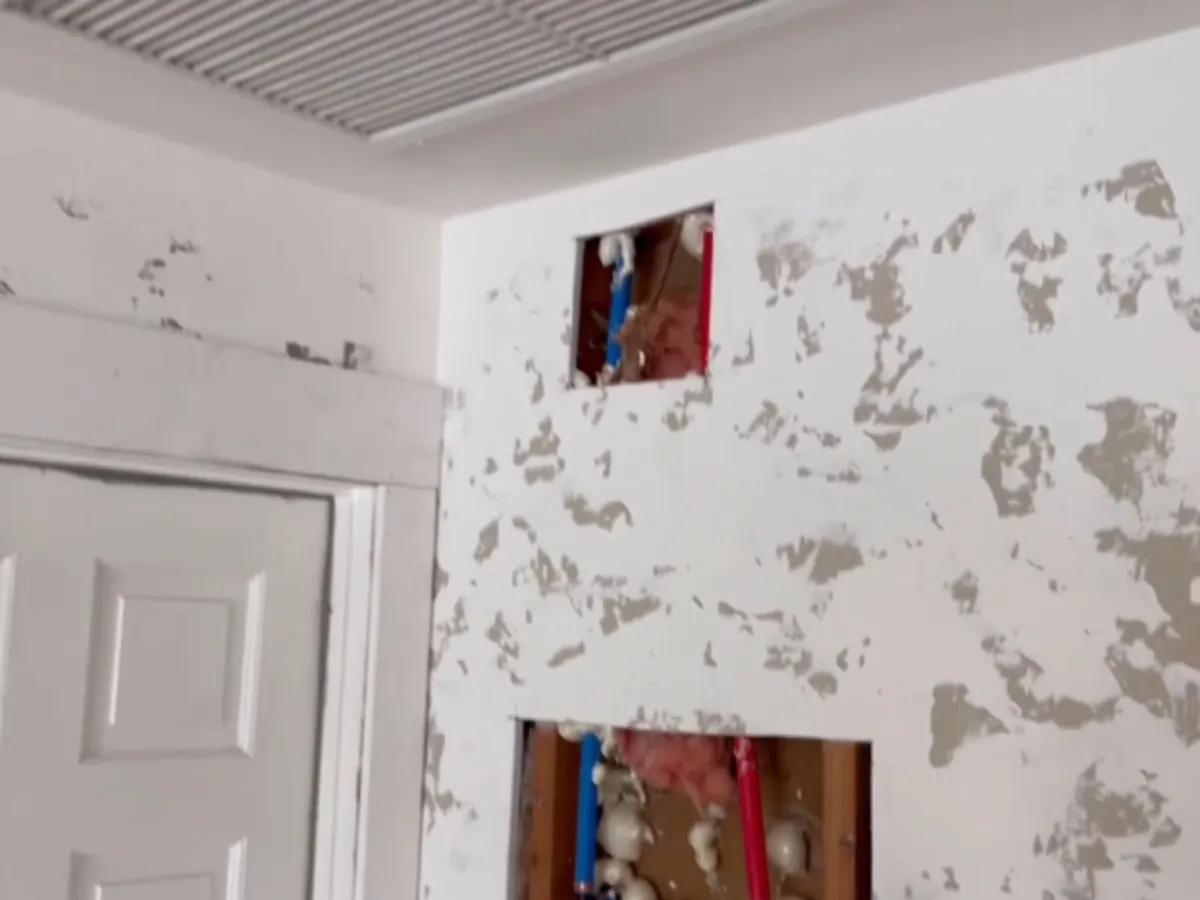
Wall openings cut to reach old supply pipes during a whole-home repipe
1 project
Instead of a repair every few months
EstimateFree, written scope
PermitCity of Nampa or DOPL
TestPressure-tested before close-up
Is It Time?

Rusty Water, Weak Showers and Repeat Leaks: Signs the Pipe Itself Is Failing

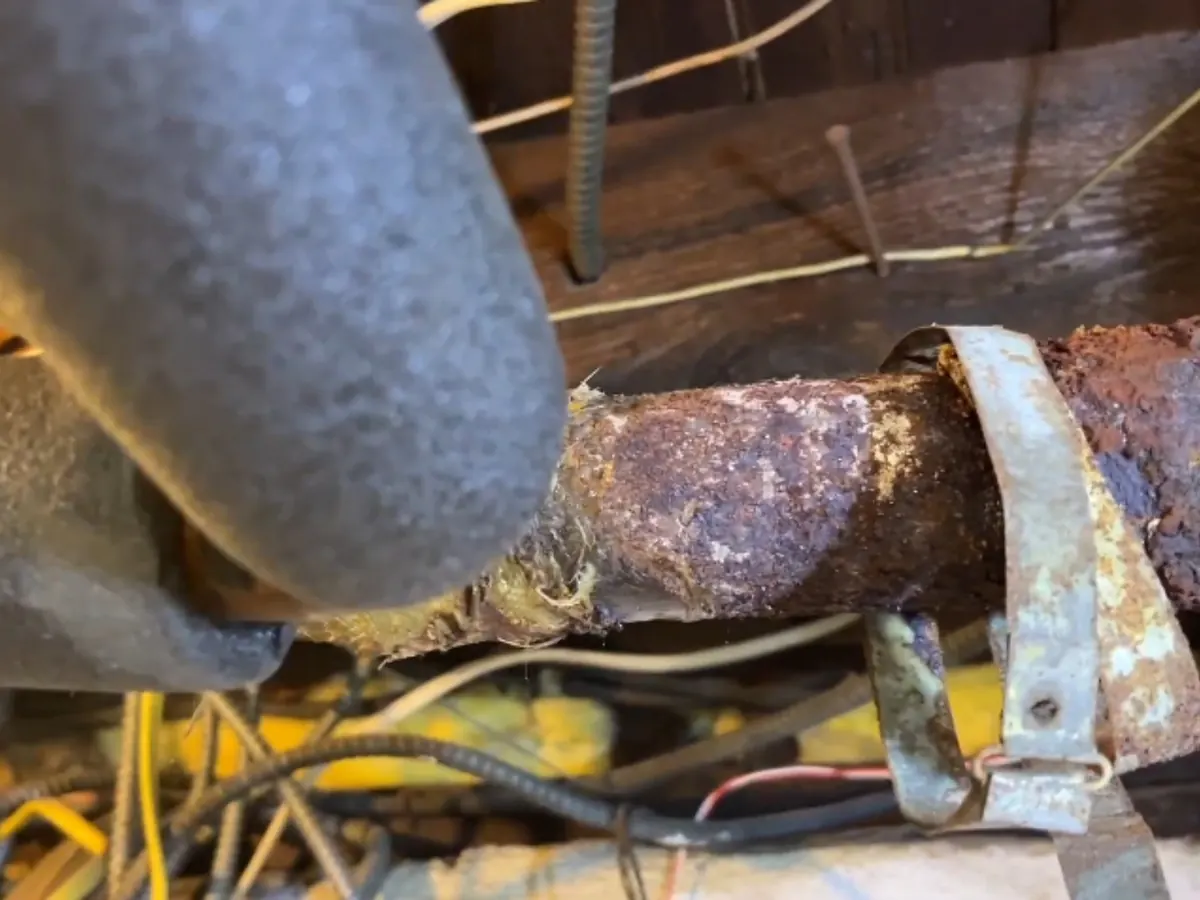
Heavily rusted galvanized supply pipe hanging from a metal strap
Corroded galvanized supply pipe, the kind of line that narrows and leaks at its joints.

Nobody searches for a repipe first. They notice brown water after a vacation, a shower that barely runs when the washer fills, or a third pinhole leak in two years. Those are the symptoms of pipe that is corroding from the inside.

Galvanized steel is the usual cause in older Nampa homes. Its zinc coating wears away over decades, the steel underneath rusts, and the rust builds up inside the pipe until the opening is a fraction of its original size. Pressure drops first at the fixtures farthest from the meter, and leaks appear at threaded joints where the wall is thinnest.

A single leak in otherwise sound pipe is a repair. Low pressure throughout the house plus discolored water plus more than one leak is a pattern, and patching one spot on a failing system usually moves the next leak a few feet down the line.

Materials

PEX or Copper for a Nampa Repipe

Both materials are approved under the Uniform Plumbing Code (UPC) that Idaho's plumbing code is based on. The better choice depends on your house, not on a sales pitch.

FactorPEXCopper
Installed costLowerHigher
Wall openings neededFewer, because it bends around framingMore, because runs need fittings at turns
Freeze toleranceBetter, it can expand slightly before splittingSplits more readily when water freezes inside
Hard water scaleResists buildup on the pipe wallCan pit in some water chemistry over time
Exposure to sunlightMust be protected from UVNot affected

For most Nampa repipes, PEX wins on cost, fewer drywall cuts and freeze tolerance in crawlspaces. Copper still makes sense where lines are exposed or where an owner simply prefers it.

Leaking Again Before the Repipe?

Close the main shutoff and call. We fix the active leak first and quote the repipe separately.

☎ Call (208) 679-8357
What It Involves

How a Repipe Actually Gets Done

Most single-family repipes take a few working days. The crew runs new lines through attics, crawlspaces and walls, connects each fixture, then ties the new system in at the main and the water heater. Water is usually off only during the working hours of the tie-in days.

Wall openings are kept small and grouped where possible. Patching drywall is often handled as a separate step, and we will tell you up front which parts of the finish work are in our scope.

A repipe is also the right moment to fix what the old system got wrong: a missing thermal expansion tank, a failing pressure-reducing valve or a main shutoff that no longer closes. If the pipe from the street is also galvanized, that is a separate job covered on our page about the buried main line, because the service line runs outside the house.

Day 1Map lines, open access points
Day 2 to 3Run new supply lines
Final dayTie-in, pressure test, inspection
AfterDrywall patching if in scope

When a Repipe Is Not the Answer

Not every house with a leak needs new pipe. If the leak is at a single fitting on otherwise healthy copper or PEX, or if pressure is low because of a failing pressure-reducing valve, a targeted repair is the honest recommendation.

When the cause is unclear, start with leak detection and a pressure check. That costs far less than a repipe and tells you whether the pipe is actually the problem.

Getting Ready

What to Do Before Your Repipe Starts

  • Clear access points. Move furniture and stored items away from walls near bathrooms, the kitchen and laundry, and clear the path to the crawlspace or attic hatch.
  • Protect valuables. Take down framed pictures and fragile items on walls that share plumbing, since drywall gets cut and patched.
  • Plan around water-off hours. Fill a few jugs for drinking and cooking on tie-in days, and plan laundry and showers for evenings.
  • Secure pets. Crews move in and out through doors and access hatches all day.
  • Confirm finish work. Agree in writing on who patches and paints drywall before the job starts, so there are no surprises.
Pricing

What Sets the Cost of Repiping a House

Repipe cost follows the size of the house, the number of fixtures and how easy the walls and ceilings are to reach.

Homeowner insurance typically does not pay for replacing old pipe, though it may cover sudden water damage from a leak. Some owners schedule a repipe right after a claim to avoid a second one.

Want your real number? Call (208) 679-8357 for a free repipe estimate.

Fixture countBathrooms, kitchen, laundry, hose bibs
MaterialPEX vs. copper
AccessCrawlspace vs. slab, one vs. two stories
Code upgradesExpansion tank, shutoffs, PRV
Finish workDrywall patching in or out of scope
What Is In Your Walls

Older Pipe Materials and What They Mean for a Repipe

Repiping decisions often start with identifying what is already there.

MaterialHow to recognize itCommon issue
Galvanized steelDull gray, threaded joints, a magnet sticksInternal rust, low pressure, leaks at joints
CopperOrange or brown, soldered jointsPinhole leaks in some water chemistry, freeze splits
PolybutyleneFlexible gray plastic, often stamped PBFittings and pipe prone to failure with age
CPVCRigid cream or tan plasticCan turn brittle with age
PEXFlexible red, blue or white tubingUsually the replacement, not the problem
Signs Checklist

Signs It Is Time to Stop Repairing and Repipe

Several of these together usually tip the decision: more than one leak in the past two years, brown water after the water has sat, low pressure at every fixture rather than one, visible corrosion on exposed pipe, and a house still running galvanized or polybutylene supply lines.

If only one of these applies, targeted repairs and a pressure check may be enough. If three or more apply, a repipe quote is worth getting before the next leak. Having someone find the current leak first keeps the emergency repair small while you decide.

Questions

Repiping Questions from Nampa Homeowners

Yes, most families do. Water is shut off during parts of the working day, and the crew restores service before leaving each evening whenever the work allows.

Yes. New water supply piping is permitted work. Inside city limits the City of Nampa Building Department issues it, and the new system is inspected before walls are closed.

If corroded galvanized pipe is the cause, yes, usually dramatically. If the cause is a failing pressure-reducing valve or a partly closed main valve, a repipe alone will not fix it, which is why we test pressure before quoting.

Only if it is near the end of its life. Coordinating both saves one tie-in visit, and a new water heater quote can be bundled into the same scope.

Yes. Older neighborhoods in nearby Caldwell have many of the same galvanized-era homes, and we quote repipes there on the same terms.

Usually small openings at fixtures and along key runs, not whole walls. PEX needs fewer openings than copper because it bends around framing.

No. Repiping covers supply pipes inside the house. The buried line from the meter is a separate job with its own excavation and permit.

No. Water is off during parts of the working day, mainly for tie-ins, and restored in the evening in most cases.

Often, if the home still has galvanized or polybutylene supply lines. Buyers' inspectors flag both, and a permitted repipe with inspection records answers the question before it becomes a negotiation point.

Yes. Some owners replace the most failure-prone runs first, such as lines to the kitchen and baths, and finish the rest later. It costs a little more overall but spreads the expense.

Stop Chasing Leaks

Free written repipe estimates for homes across Nampa and Canyon County.

☎ Call (208) 679-8357
Coverage Area

Plumbing Service Across Nampa and Canyon County

☎ Call 24/7: (208) 679-8357
☎