Galvanized Pipe in Older Nampa Homes: What Drives the Cost of a Repipe
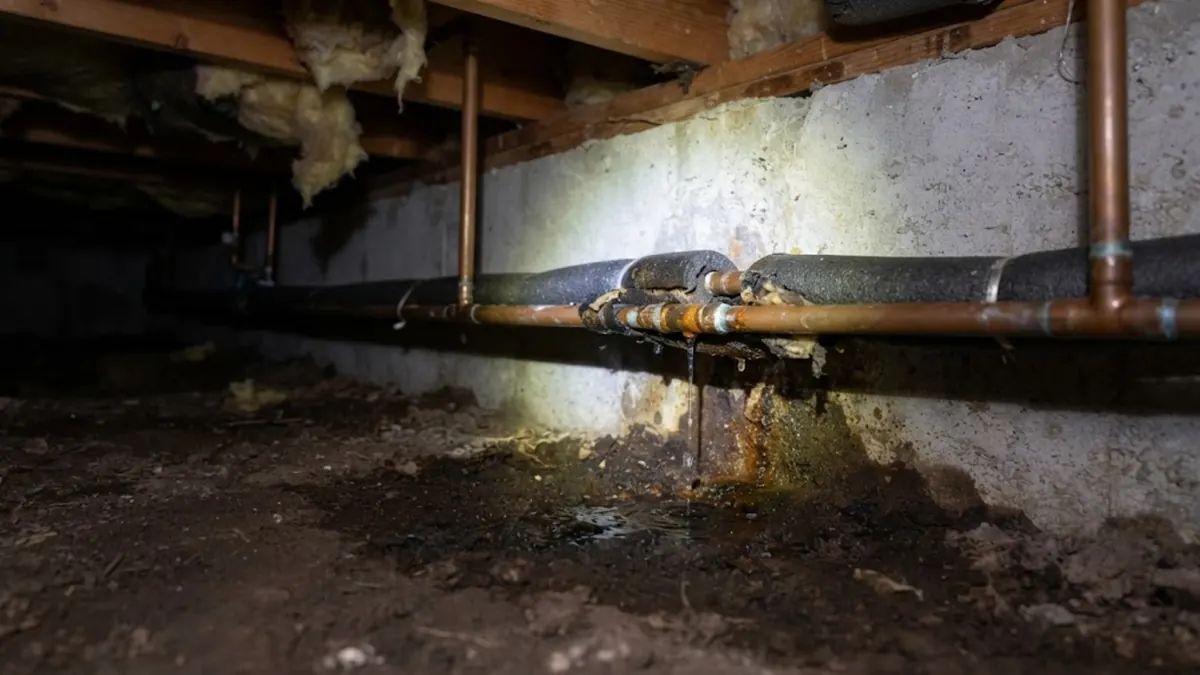
Galvanized steel pipe was a standard water supply material for much of the twentieth century. It lasted well for decades, and in many older homes it is now at the end of that life. Nampa's older neighborhoods near downtown still have houses running on it.
This guide helps you figure out whether your home has galvanized pipe, how it fails, and what actually moves the price of replacing it.
If you are buying an older home, this is also a question to settle before closing. Ask the inspector to note the supply pipe material, run the water at the farthest fixture to judge pressure, and look for patched sections that suggest earlier leaks. A repipe estimate in hand can be part of the negotiation.
Dealing with a plumbing problem right now? Call (208) 679-8357, answered 24/7.
What to Do to Check Whether You Have Galvanized Pipe
- Look where the main enters the house. Galvanized pipe is dull gray steel with threaded joints.
- Try a magnet. A strong magnet sticks to galvanized steel but not to copper or plastic.
- Scratch it lightly. Galvanized shows silvery gray under the surface. Copper shows bright orange.
- Check several spots. Many older homes were partly repiped over the years, so one section may differ from the rest.
- Look at the water heater connections. Steel nipples there are common even in homes repiped elsewhere.
Why Galvanized Pipe Fails From the Inside
The zinc coating on galvanized pipe protects the steel for years, then wears away. Once it does, the steel rusts from the inside out. The rust builds up as a rough scale that narrows the pipe, which is why pressure drops gradually at the fixtures farthest from the main.
Threaded joints are the weak points, because threading cuts through the coating and thins the wall. Pinhole leaks and weeping joints appear there first. Brown water after the water has sat, especially after a trip away, is another common sign.
Galvanized pipe can also collect lead from older solder or fittings upstream, which is one reason the City of Nampa advises running the tap before drinking when water has sat for hours.
What Actually Moves the Price of a Repipe
Repipe costs vary widely. These factors explain most of the difference between two quotes.
| Factor | Lower cost | Higher cost |
|---|---|---|
| House size and fixture count | One bath, small footprint | Several baths, large footprint |
| Material | PEX | Copper |
| Access | Open crawlspace or attic | Slab foundation, finished basement |
| Stories | Single story | Two or more stories |
| Wall finish | Drywall | Plaster or tile walls |
| Code upgrades | Few needed | New shutoffs, expansion tank, pressure-reducing valve |
| Patching scope | Homeowner patches | Contractor patches and paints |
Choosing the New Pipe
PEX costs less, bends around framing so fewer walls need opening, and tolerates freezing better than copper, which matters in crawlspace homes. Copper is durable and familiar and handles exposed runs well, but costs more and needs more fittings.
Both are approved under the Uniform Plumbing Code. Most Nampa repipes use PEX for cost and fewer drywall cuts, with copper reserved for owners who prefer it or for exposed sections.
Our repiping page covers the process day by day.
Galvanized Pipe Leaking Now?
Close the main shutoff and call. The leak gets fixed first, the repipe quoted after.
Repair the Leak or Replace the System
One leak in a galvanized system can be repaired. A second and third within a year or two usually means the whole system is failing, and patches start costing more than they save.
If the house is also due for a water heater, coordinating both jobs saves a visit. And if the buried line from the meter is also old steel, it is a separate project, since it runs outside the house. Owners with water damage from a failed joint should document it before cleanup, and a professional leak check can confirm nothing else is weeping inside the walls.
Older parts of nearby Caldwell have many of the same galvanized-era homes, and the same cost factors apply there.
How to Plan a Repipe Without Disrupting Your Life
Most single-family repipes take a few working days. Water is usually off only during parts of the day, and many families stay in the house throughout. Getting a written scope before the job starts, including exactly which walls will be opened and who patches them, prevents surprises.
Timing matters too. Repiping in spring or fall avoids working in a frozen crawlspace and gives any patched drywall time to dry and be painted before the holidays.
If you are also planning a bathroom or kitchen remodel, repiping first while walls are open saves money on both projects.
What a Good Repipe Quote Should Include
Comparing quotes is easier when they cover the same things. Ask each contractor to spell these out.
| Item | What to look for |
|---|---|
| Material | PEX or copper, and the specific type |
| Fixtures included | Every sink, tub, toilet, hose bib, water heater and appliance connection |
| Shutoff valves | New stops at each fixture and a new main shutoff |
| Code items | Expansion tank, pressure-reducing valve if needed |
| Permit and inspection | Who pulls it, and included in the price |
| Wall openings and patching | How many openings, and whether patching and painting are included |
| Timeline | Number of working days and water-off windows |
A quote that leaves out patching or code items can look cheaper and end up costing more. A clear, itemized scope is also a good sign about how the job itself will be run.
Common Questions
The City of Nampa reports its water meets drinking standards, but old home plumbing can add rust or other metals. Running the tap after water has sat, as the city advises, helps. If you are concerned, test water at your tap.
Yes, and some owners do it in stages. Mixing old and new materials is fine when done correctly, but remaining galvanized sections will keep aging.
If corroded galvanized pipe is the cause, yes, often dramatically. A pressure check first confirms that is the issue.
Yes. New supply piping is permitted work and is inspected before walls are closed.
Galvanized supply pipe commonly lasts several decades, but the range is wide and depends on water chemistry and the quality of the original coating. A house with widespread galvanized pipe from the middle of the last century is usually at or beyond the end of that life.
Insurance generally does not pay to replace old pipe, though it may cover sudden water damage from a leak. Some insurers ask about galvanized pipe when writing a policy, so replacing it can also help with coverage questions.