Natural Gas and Propane Piping
Gas Line Installation & Repair in Nampa, ID
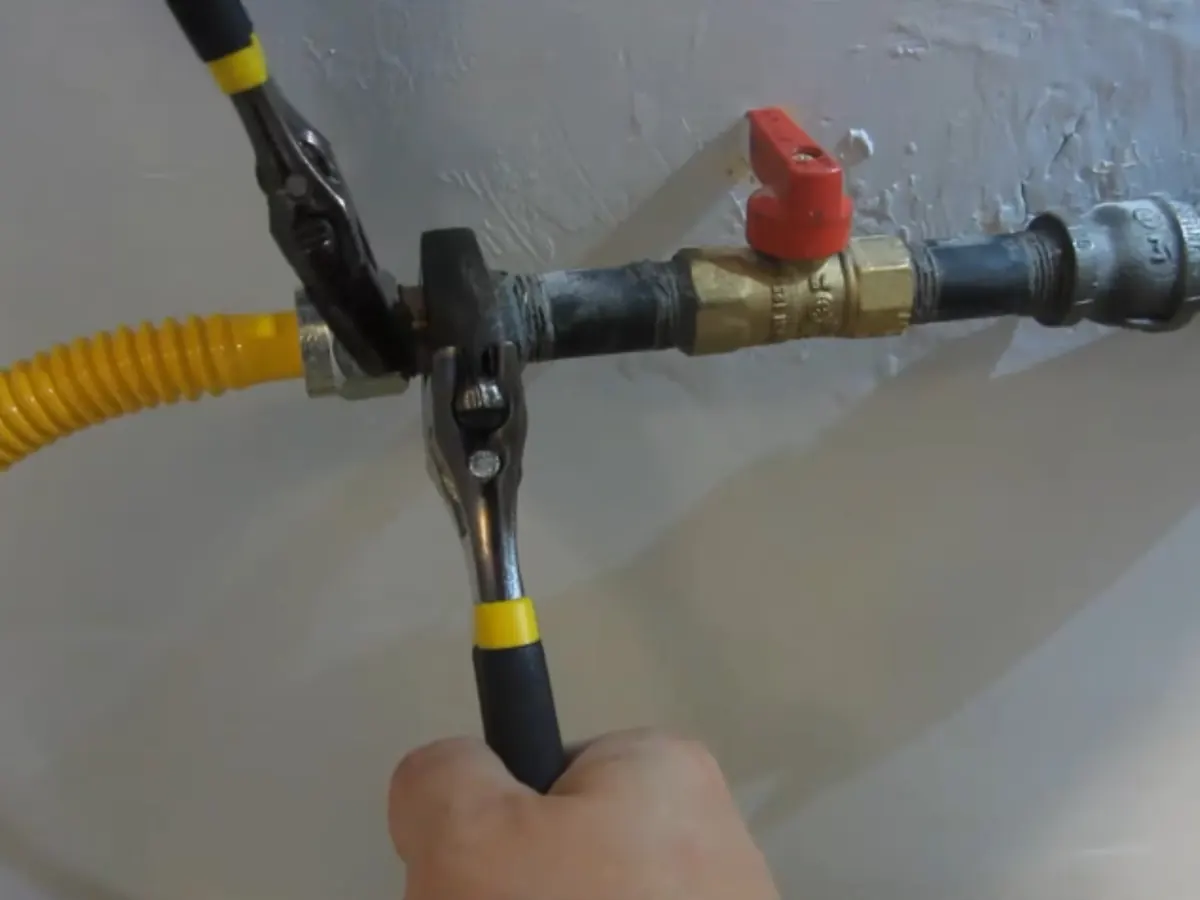
Gas line installation and repair in Nampa, Idaho covers the piping that feeds your appliances after the meter: new lines for a range, dryer, water heater, fireplace, patio heater or shop heater, and repairs to lines that have leaked, corroded or been damaged.
If you smell gas right now, stop reading. Leave the building without switching lights or appliances on or off, then call Intermountain Gas or 911 from outside. Call us once the utility has made it safe.
Smell gas?
Leave first. Call Intermountain Gas or 911 from outside
New appliance linePermitted install
Suspected leakPressure test and repair
Before digging811 locate