Water Heater Lifespan in Nampa: When to Repair and When to Replace
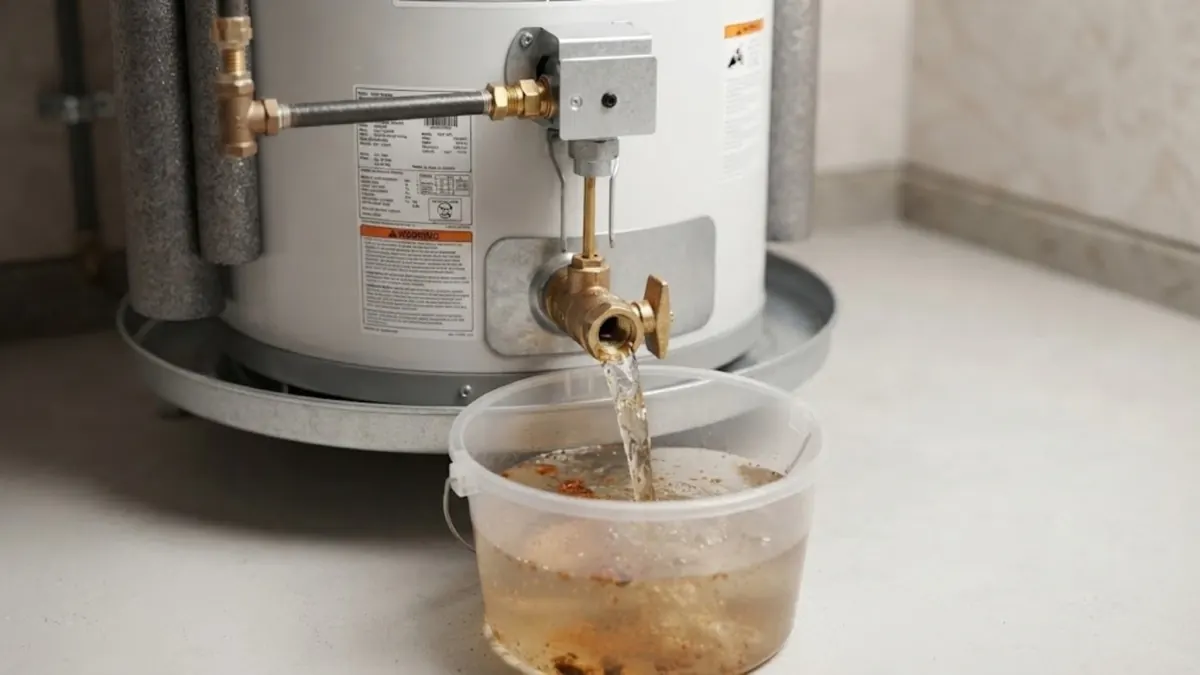
A tank water heater is one of the few appliances that tends to fail on its own schedule, usually at an inconvenient hour. Most last somewhere around 8 to 12 years. Where yours falls in that range depends a lot on your water, and in Nampa, water varies by neighborhood.
This guide covers how long heaters last here, how to read the warning signs, and how to decide whether a broken heater deserves a repair or a replacement.
Dealing with a plumbing problem right now? Call (208) 679-8357, answered 24/7.
Why Nampa Water Changes the Math
According to the City of Nampa's water reports, hardness runs from none up to about 7 grains per gallon across its wells. At the soft end, a well-made tank may run past a decade. At the harder end, calcium settles on the bottom of the tank every time it heats.
That mineral layer insulates the water from the gas burner, which then runs longer and hotter. It also traps pockets of water that boil and pop, which is the rumbling sound many owners hear after year five. In electric tanks, scale collects around the lower element until it burns out.
The practical result is that two identical heaters installed the same week in different parts of Nampa can reach the end of their lives years apart.
Signs Your Water Heater Is Near the End
One sign alone may just mean a repair. Several together usually mean it is time to plan a replacement.
| Sign | What it usually means | Severity |
|---|---|---|
| Age over 10 years (check the date on the label) | Nearing typical life | Plan ahead |
| Rumbling or popping when heating | Heavy sediment and scale | Moderate |
| Rusty hot water only | Anode rod used up, tank may be corroding | Moderate to serious |
| Hot water runs out faster than it used to | Sediment taking up space, or a failing element | Moderate |
| Water pooling under the tank | Could be a valve or fitting, or the tank itself | Serious until checked |
| Moisture seeping from the tank body | Corroded shell, cannot be repaired | Replace |
A Simple Way to Decide: Repair or Replace
A common rule of thumb multiplies the heater's age by the repair cost. If the result is more than the price of a new installed heater, replacement is usually the better value. It is not perfect, but it keeps a costly gas control valve from going into a tank that has two years left.
Some repairs are almost always worth doing on a younger tank: a thermocouple or flame sensor on gas units, an element or thermostat on electric ones, a relief valve or a drain valve. Those are covered on our Nampa water heater repair page.
A leak from the tank body is never a repair. Steel that has rusted through cannot be sealed, and the tank will fail completely, often without much warning.
Water Heater Leaking Right Now?
Close the cold supply valve above the tank and shut off the gas or power, then call.
What to Do to Get More Years From a Tank
- Flush it yearly. Draining a few gallons from the bottom valve removes loose sediment. On harder Nampa water, once a year is the minimum.
- Check the anode rod. The anode corrodes so the tank does not. Checking it every few years and replacing it when worn can add years.
- Keep the temperature reasonable. Around 120°F is a common setting. Hotter water speeds scale and raises scald risk.
- Consider softening. If hardness tests high, softening protects the next tank from day one.
- Leave room around it. Gas units need clear space for combustion air and safe venting.
When It Is Time
Replacing before a failure lets you choose the right unit and schedule the work, rather than taking whatever is on the truck at 11 p.m. Our guide to choosing a new heater compares tank, tankless and heat pump options and covers permits and code items.
Homeowners in younger communities such as Kuna, where many homes went up in the last 20 years, are now hitting the age when original heaters start to go, so it is worth checking the date on yours.
How to Find Your Water Heater's Age
The manufacturer's label on the side of the tank lists the model and serial number, and most brands encode the manufacture date in the serial number. A common pattern uses a letter for the month and two digits for the year, though each brand differs.
If the label is unreadable, the installation date on a permit sticker, a home inspection report or the home's original sale documents can give you a close estimate.
Once you know the age, you can plan. A tank at year 10 on harder Nampa water is worth budgeting for, even if it is running fine today.
How Gas and Electric Tanks Fail Differently
The fuel type changes which parts wear out and how the end shows up.
| Issue | Gas tank | Electric tank |
|---|---|---|
| No hot water | Pilot, thermocouple or gas valve | Elements, thermostats or breaker |
| Hard water effect | Scale on the tank bottom, popping noise | Scale around the lower element, repeated burnouts |
| Common cheap repair | Thermocouple or flame sensor | Element or thermostat |
| Typical end of life | Tank corrodes and leaks | Tank corrodes and leaks |
Both types eventually fail the same way, through a corroded tank. Maintenance slows that down, and the anode rod is the part that decides how long it takes.
Common Questions
Occasional ticking as metal expands is normal. Loud popping or rumbling usually means sediment and scale on the bottom of the tank.
On a tank that has never been flushed in many years, disturbing heavy sediment can sometimes cause the drain valve to leak or clog. It is still worth doing, but go gently or have it done.
Not necessarily. Lifespan depends more on water quality, maintenance and build quality than on size.
Removing the old tank, installing the new one with current code items such as an expansion tank where needed, and a permit. Inside city limits, the City of Nampa issues it.
Yes. Tank warranties often last six to twelve years depending on the model. If your tank fails inside that window, the manufacturer may cover the tank itself, though usually not the labor.
If it is past about ten years and showing any warning signs, planned replacement avoids an emergency call and possible water damage. If it is younger and trouble-free, keep maintaining it.