Nampa Plumbing Emergency Checklist: Shutoffs, Water Heater and Irrigation Valve
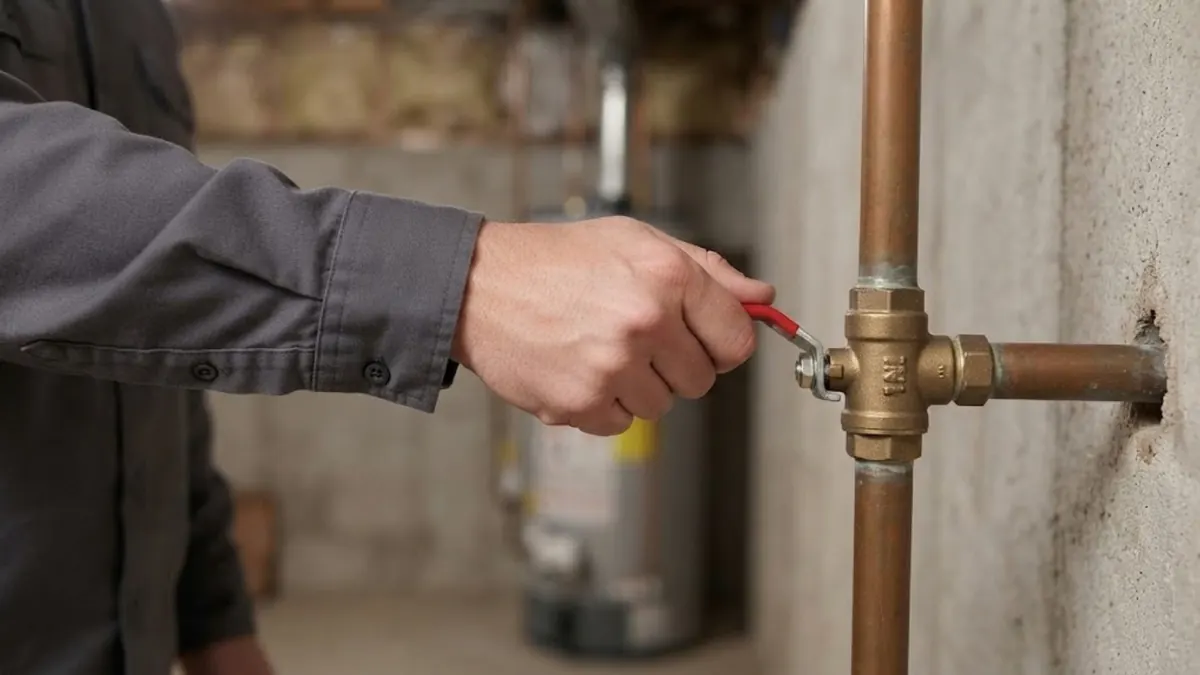
In a plumbing emergency, the first few minutes decide how much damage you end up with. The problem is that most people have never touched their main shutoff, and Nampa homes often have more than one system to think about.
This checklist is meant to be read before anything goes wrong. Walk through it once, find each valve, and the next emergency will be a lot less stressful.
It also helps to know what counts as an emergency. Water that is actively spreading, sewage coming into the house, no water at all in freezing weather, and any smell of gas all need action right away. A dripping faucet or a single slow drain can wait for a normal appointment, and treating them calmly saves money.
Dealing with a plumbing problem right now? Call (208) 679-8357, answered 24/7.
What to Do to Get Ready Before an Emergency
- Find the main water shutoff. In many Nampa homes it is where the supply line enters the house, often in the crawlspace near the hatch, on a garage wall or in a utility room. Turn it once to be sure it moves.
- Find the water heater's cold supply valve. It is on the pipe entering the top of the tank.
- Learn the water heater's off setting. Gas units have a control knob with an off or pilot position. Electric units have a breaker.
- Find your own irrigation shutoff. Know which valve is yours. The city's valve is for city use only.
- Save the numbers. Your plumber, the gas utility and the city's water line should be in your phone before you need them.
First Steps by Type of Emergency
Find your situation, do the first step, then call.
| Emergency | First step | Then |
|---|---|---|
| Burst or spraying pipe | Close the main water shutoff | Shut off the water heater, call a plumber |
| Water heater leaking | Close its cold supply valve, turn gas or power off | Call a plumber |
| Sewage backing up | Stop all water use and flushing | Call a plumber, check if neighbors are affected |
| Toilet overflowing | Close the valve behind the toilet | Plunge or call if it will not clear |
| Yard flooding from irrigation | Close your own irrigation valve | Call the city's line if the leak is on their side |
| Smell of gas | Leave the house without switching anything | Call Intermountain Gas or 911 from outside |
Why Nampa Homes Need Two Shutoff Plans
Most Nampa homes have city drinking water and a separate pressurized irrigation system. Closing the main at the house stops the drinking water side but does nothing for an irrigation leak outside, and the reverse is also true.
Knowing which valve controls which system is the single most useful thing you can learn before an emergency. According to the City of Nampa, its 24-hour line at 208-468-5860 takes reports of irrigation leaks on the city's side.
If the leak is inside the house, it is the drinking-water side, and the house main is the valve you need.
Emergency Happening Now?
Do the first step from the table above, then call the 24/7 line.
What to Do Once It Is Under Control
Photograph the source and any damage before cleaning up, and keep every invoice. Most homeowner policies cover sudden water damage but not the failed part, and documentation helps either way.
Move valuables, rugs and electronics out of wet areas. If water soaked into walls, floors or the crawlspace, drying matters as much as the repair, and that is a separate restoration job.
For the repair itself, see burst pipe repair for split lines and fixing a failed water heater for tank problems. The same checklist applies across the area, including in Star and the other surrounding towns.
If You Rent Your Home
Tenants should still learn where the main shutoff is and use it in an emergency. Stopping the water protects the property and your belongings, and landlords expect it.
After the water is off, notify the landlord or property manager right away, in writing if possible, with photos. Many leases spell out who calls the plumber. Keep a copy of any messages.
Landlords benefit from showing new tenants the shutoffs at move-in. A two-minute walkthrough can prevent thousands of dollars in water damage.
A One-Page Emergency Card for Your House
Write down, on one card or sheet, where the main water shutoff is, where the water heater's cold supply valve is, which breaker controls an electric water heater, where your own irrigation shutoff is, and where the gas meter is.
Add the numbers you would need: your plumber, Intermountain Gas, the City of Nampa's water line and your insurance company's claims line. Tape the card inside a kitchen cabinet or near the electrical panel.
Walk through it with everyone in the house, including teenagers and anyone who house-sits for you. In a real emergency, the person at home may not be the person who knows where the valves are.
Common Questions
Do not force it with a cheater bar or heavy tool, which can break it. Call a plumber, and ask about replacing it with a quarter-turn valve once the emergency is handled.
For anything more than a short shutoff, yes. It prevents the heater from running without incoming water and makes the restart safer.
Leave the building first, then call Intermountain Gas or 911 from outside. Do not use switches, phones or appliances inside.
The city can operate its own curb stop in an emergency. For problems inside your home, your own main shutoff is faster.
Close the main water shutoff for the house instead, then turn off the gas control or the electric breaker for the heater. That stops both the water and the heating until a plumber arrives.
Usually not. A single slow drain can wait for a scheduled visit. Several drains slowing together, or water rising in a tub when a toilet flushes, suggests a main line problem that should be handled soon.
Close the main shutoff, move belongings away and put a bucket under the drip. If the ceiling is sagging with water, keep people out from under it and poke a small hole at the lowest point to let water drain into a bucket, which can prevent a larger collapse.